Wine collecting – from your first case to the world’s most expensive bottles
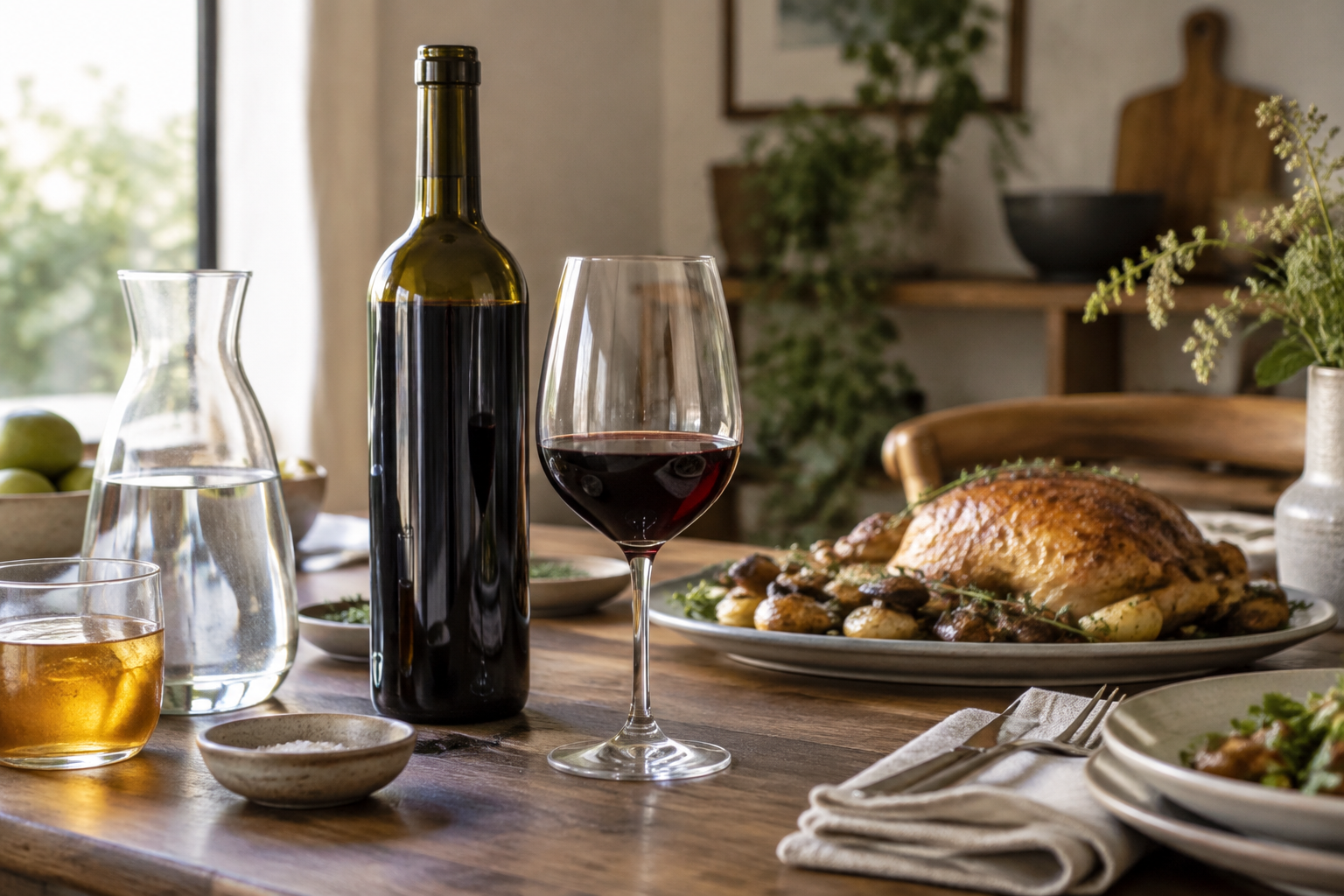
Record-breaking wines make headlines. A good cellar starts with curiosity, organisation and bottles you actually want to drink.
A single bottle of Burgundy has sold for more than half a million dollars. But what makes wine expensive is not always what makes it enjoyable for you. We explore collectability, ageing and pitfalls – and show you how to start small, without the status symbols.
 By Jonas EkDrinks editor · Wine, beer, spirits, coffee, tea and non-alcoholic drinks – and how to pair them with food
Translated from Swedish with AI assistance.
When a bottle becomes more than wine
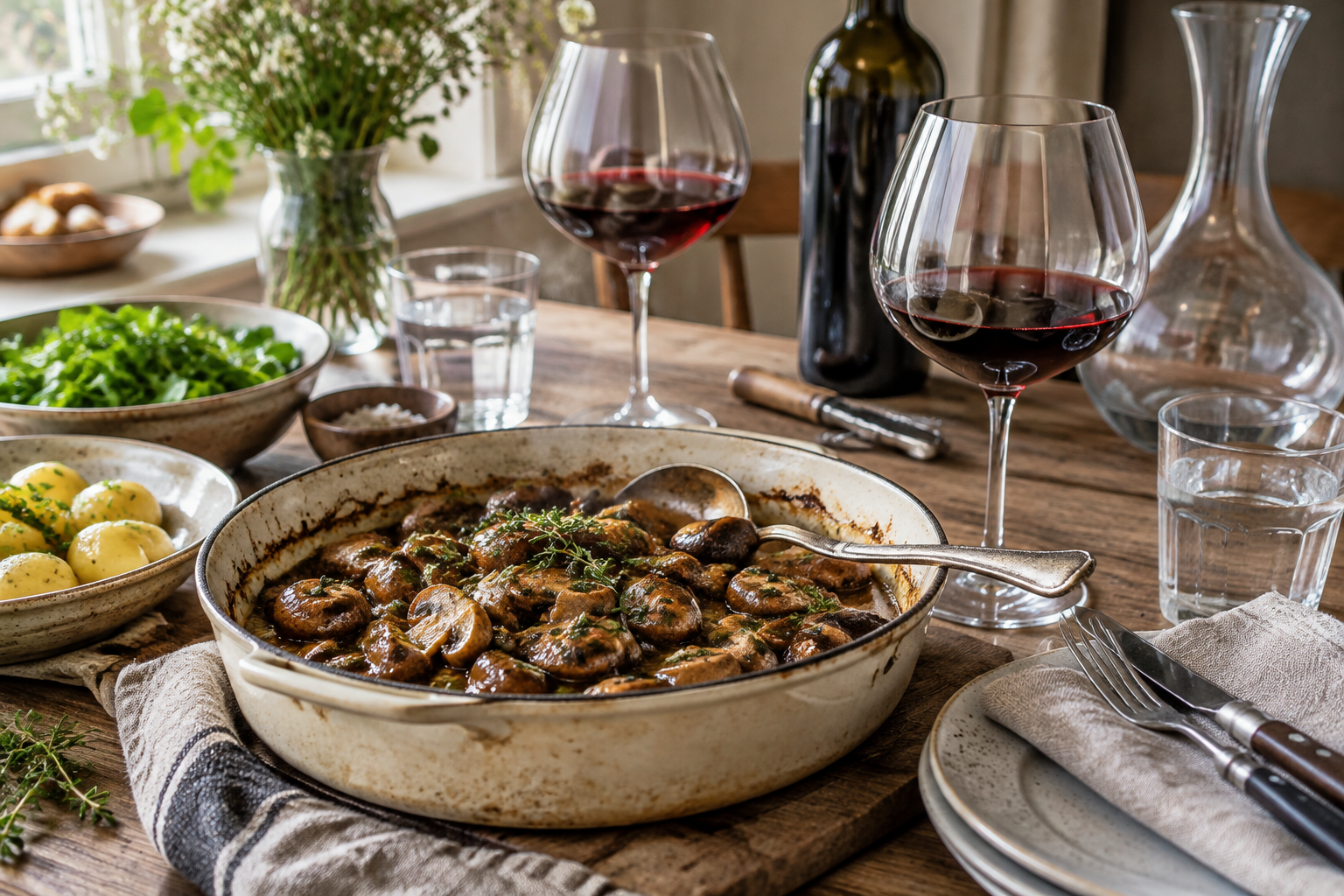
The corkscrew gives a faint squeak. On the table are a decanter, a few glasses and a stew fragrant with mushrooms and thyme. The bottle has been tucked away for years, but now the wait is over. This is where wine collecting makes sense: not in front of a price list, but when something carefully saved comes into its own alongside the food and the people around the table.
A mature red Burgundy can smell of dried roses, forest floor and red berries. An aged riesling can combine citrus with beeswax and notes of honey without being sweet. But age is no guarantee of pleasure. Wine can also become tired, thin or damaged. The collector’s most important skill, then, is not memorising famous labels, but understanding what is worth waiting for – and when that wait should end.
The term wine collector covers both someone who saves six bottles for future dinners and someone who buys at international auctions. Their budgets differ dramatically, but the basic questions are the same: What do I like? Where does the bottle come from? How has it been stored? And will it ever be opened?
For a beginner, that last question is a useful guide. Build a collection for future meals, not a monument to other people’s tastes. It need not be large, exclusive or hidden behind a heavy cellar door.
From trading houses to record-breaking auctions
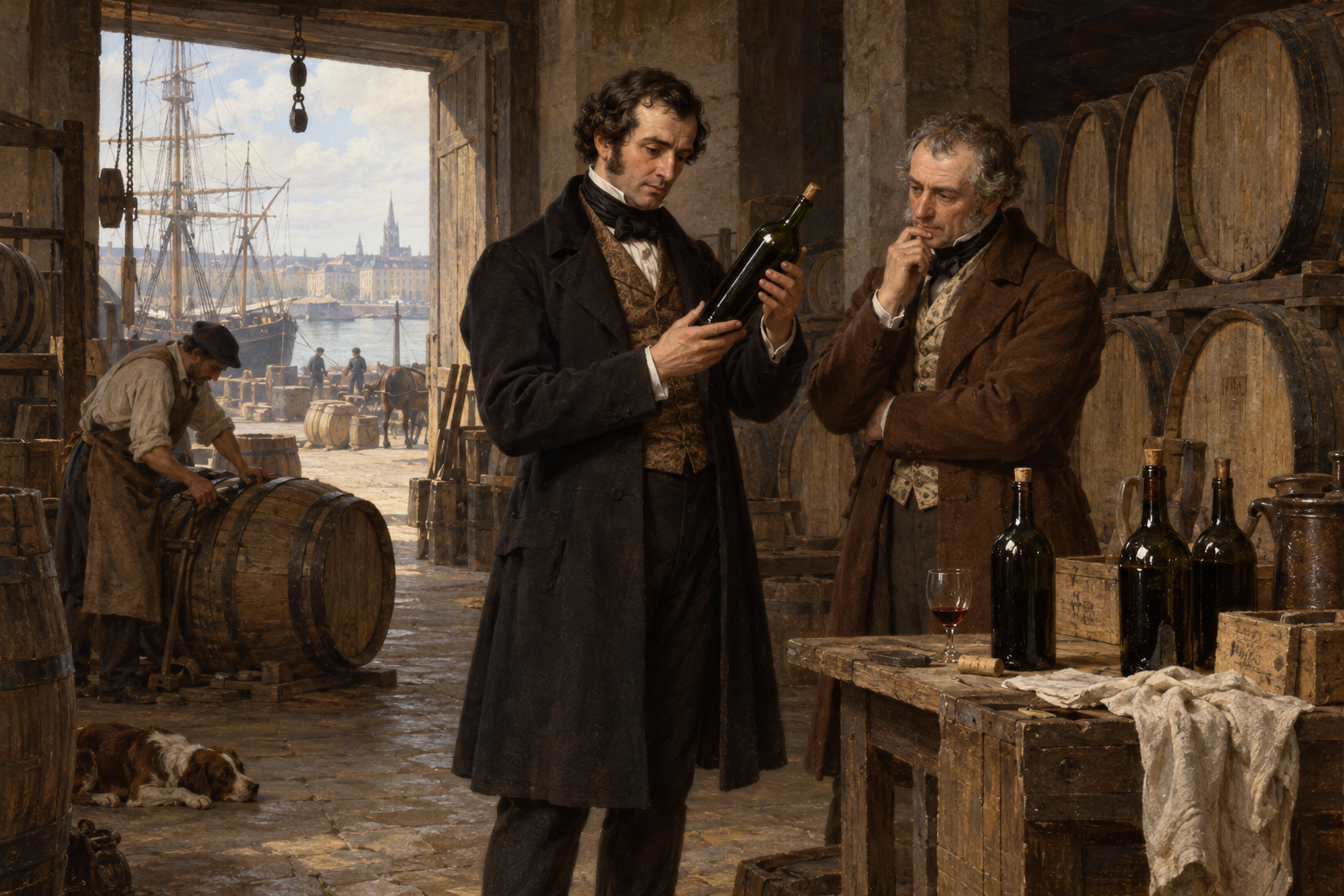
Keeping wine predates the modern collectors’ market, but durable glass bottles and cork closures played a major role in bottle ageing from the 17th century onwards. The change was gradual. Wine that had previously been transported and stored mainly in barrels could increasingly develop in individual bottles, and producer, vintage and origin gradually became more distinct identities to compare and trade on.
Bordeaux gained a particularly influential commercial hierarchy through the 1855 classification. It was based largely on established reputation and trading prices, rather than any timeless, objective scale of taste. In Burgundy, prestige instead developed around an intricate patchwork of vineyard sites and producers. Both systems still shape collectors’ outlook, although today’s market extends far beyond France.
One of the most talked-about auction records was set at Sotheby’s in New York in October 2018. A 75-centilitre bottle of Romanée-Conti 1945 from Domaine de la Romanée-Conti sold for US$558,000, including the buyer’s premium. It came from Robert Drouhin’s collection. The result is a documented historical record price, not a current guide price for every bottle of that wine.
An important caveat is needed here: “the world’s most expensive wine” is not a straightforward category. A standard bottle, a six-litre bottle, a charity auction and a retail offer cannot be compared directly. It is also important to distinguish between an asking price and a completed sale. A headline can be spectacular without saying very much about market value.
What is the collector actually paying for?
Romanée-Conti is a name at the very highest end of the price spectrum. So are certain wines from producers such as Domaine Leroy, along with rare older vintages of prestigious Bordeaux. Petrus and Château Lafite Rothschild are well-known collectors’ names; outside France, they include California’s Screaming Eagle. That does not mean every bottle from these producers ranks among the world’s most expensive, or that their wines will always suit your palate.
Price is shaped by several factors at once: limited production, demand, the producer’s reputation, the standing of the vintage, the bottle’s condition and its documented history. As a sought-after wine is drunk, the remaining stock dwindles. But scarcity alone is not enough. A forgotten wine does not automatically become valuable simply because few bottles remain.
A bottle’s documented ownership and storage history is known as provenance. Two apparently identical bottles may be valued differently if one comes straight from a well-kept cellar and the other has passed through unknown hands. Original packaging and a receipt can strengthen the documentation, but neither alone proves that the contents are authentic or well preserved.
High prices make counterfeiting a genuine risk. Buy from established sellers with clear terms, and be sceptical of improbable bargains. A photograph of a handsome label is no quality check.
Nor should you see wine as a safe investment. Commissions, storage, insurance and selling all cost money. The market can fall, buyers may be scarce, and an expensive bottle may turn out to be spoiled when opened.
Flavours change – but not always for the better
Most wines are made to be drunk relatively young. Ageing is not, therefore, an automatic upgrade. Some wines, however, have a combination of acidity, tannins, concentration and sometimes sweetness that can sustain long development. No single characteristic is enough: a very tannic wine will not necessarily become harmonious after ten years.
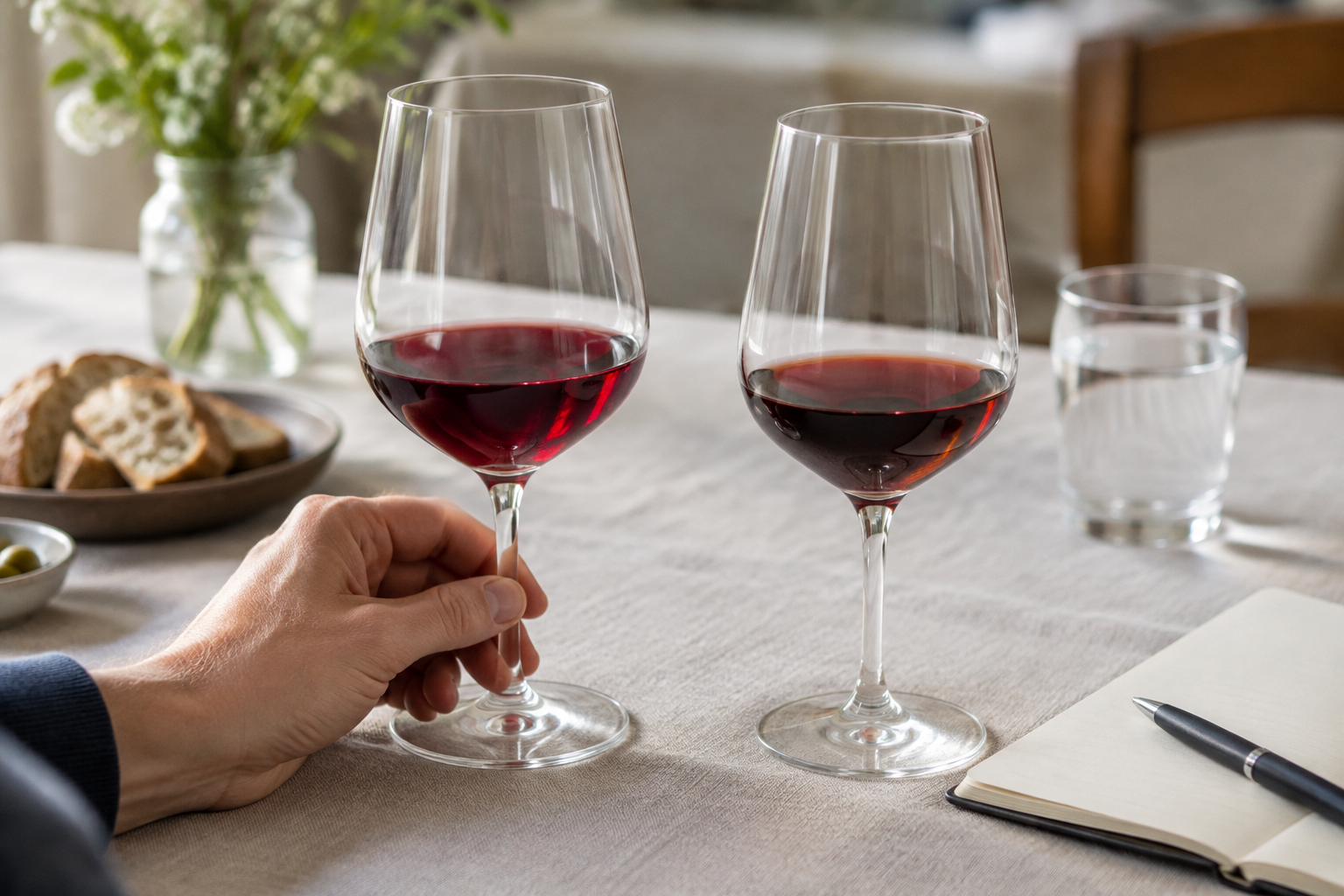
In red wine, tannins may feel softer over time, while the fresh fruit changes and aromas such as dried berries, tobacco or leather become more pronounced. White wine can develop notes of nuts, beeswax and dried fruit. This is change, not an objective climb from worse to better. If you prefer lively citrus and crisp berry flavours, you may enjoy the wine most in its youth.
Bordeaux, barolo, certain riojas and riesling are useful starting points for exploring ageing, but choose by producer and individual wine, not just by region. Ask for advice on a particular bottle and its approximate drinking window. Such a window is an assessment, not a best-before date.
The best learning material is several bottles of the same wine. Open one as a reference and save the others for later occasions. Make brief notes: fruit, acidity, tannins, aroma and how it worked with the food. After a few comparisons, you will understand both the wine’s development and your own taste better than you would simply by reading scores.
A cellar starts with storage
A good storage space is dark, cool and stable in temperature. Around 10–14°C is a practical guide for long-term storage, but stability and protection from heat matter more than chasing an exact temperature. Avoid direct sunlight, the loft and the cupboard above the fridge. A room that feels cool in winter may become unsuitable in summer.
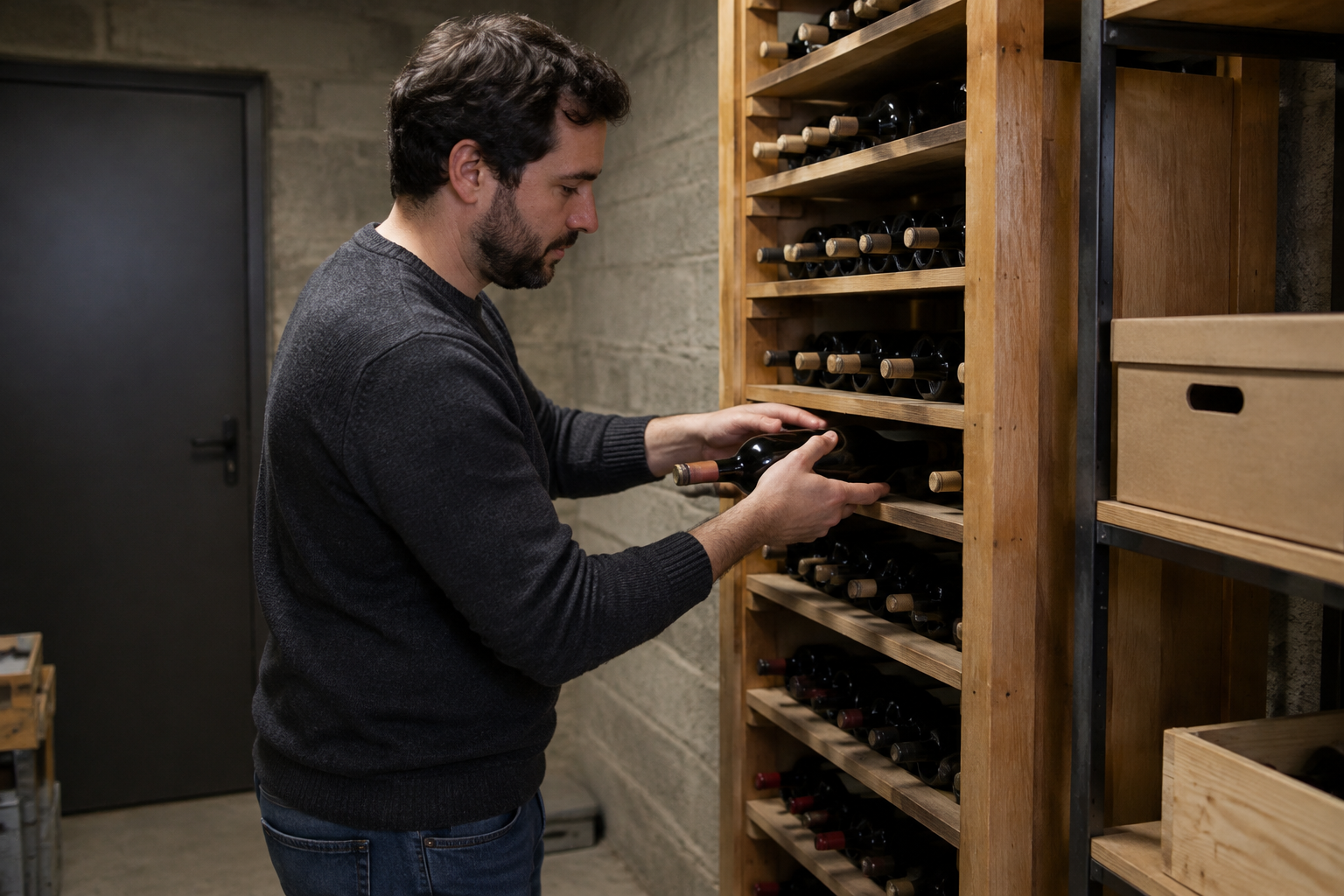
Bottles with natural corks are traditionally stored on their sides to keep the cork in contact with the wine. Screw caps do not require the same consideration. An ordinary fridge is useful before serving and for short-term storage, but is not designed to act as a long-term cellar. If you plan to keep wine for many years, a wine fridge designed for ageing or rented wine storage may make more sense. Check actual temperatures, terms and costs before deciding.
Do not start with more wine than you have suitable space for. A simple list goes a long way: producer, wine, vintage, purchase date, price, seller, number of bottles and intended drinking period. Keep receipts. Label the shelves so you can find bottles without having to move the whole collection.
When buying older wine, ask about its storage history and inspect the fill level, any leakage and the condition of the closure. The assessment depends on the bottle type and age; there is no simple universal threshold. At auction, you also need to factor in the buyer’s premium, transport and any other fees. The hammer price is not always the final price.
Start small and let the food guide you
A first collection can be as small as six bottles: three of a red wine and three of a white, both chosen for some ageing potential. Set a total budget you are comfortable with and ask for current suggestions within it. Consider buying something with a little maturity already as a comparison, if available from a reliable seller. That way, the whole journey of discovery need not begin with years of waiting.
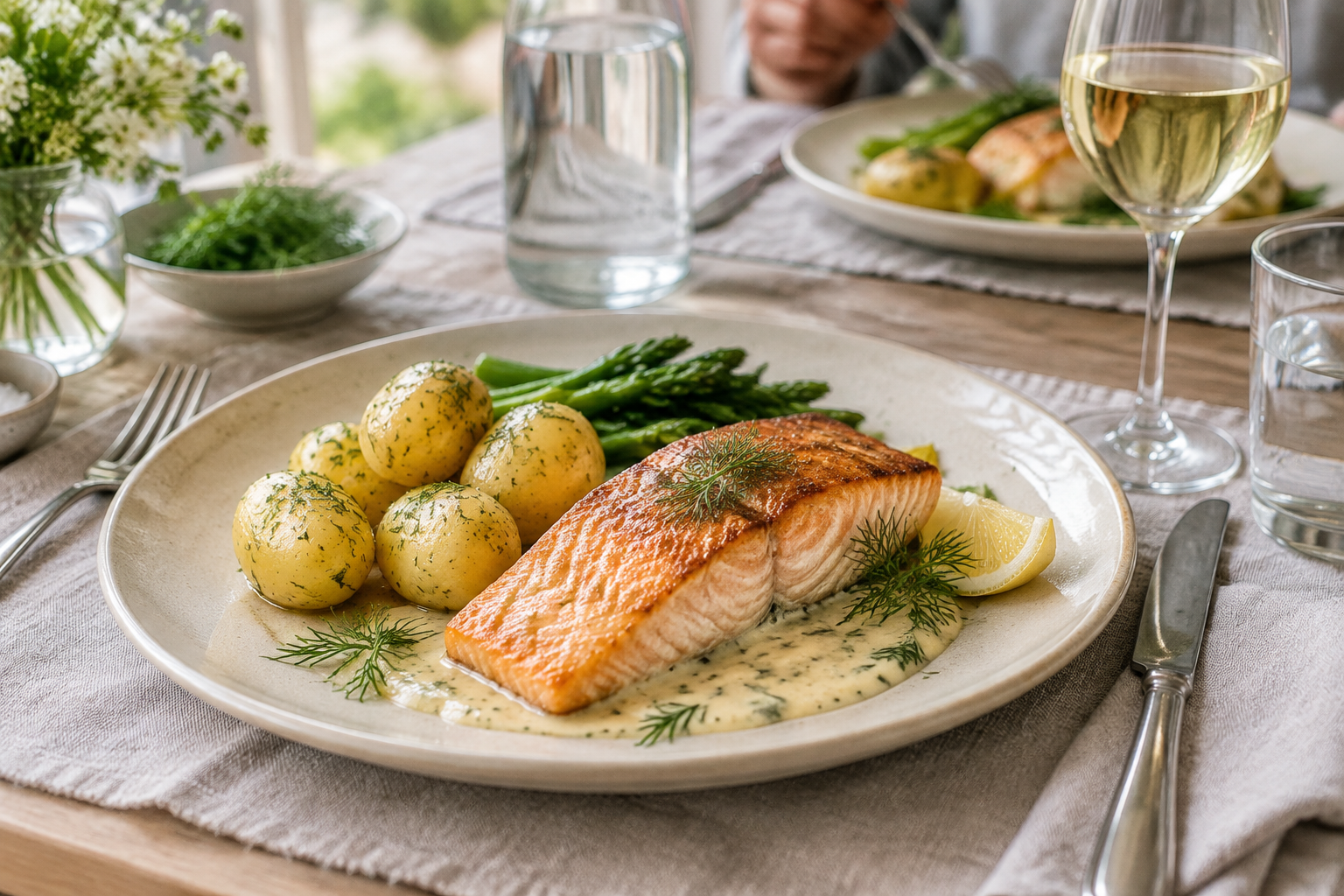
Plan for the food, too. A firm red wine can seem more approachable with a juicy cut of meat or a rich mushroom dish than on its own, although plenty of umami can sometimes make its tannins more noticeable. A fresh riesling provides a contrast to oily fish and creamy sauces. A lighter mature red often shows better with gentle seasoning than alongside hot chilli and a sweet glaze.
Before opening an older bottle, you can stand it upright to let the sediment settle. Taste before deciding whether to aerate it: a young, closed wine and a fragile old one do not need the same treatment. Decant gently if needed, not as a matter of routine.
Give alcohol-free alternatives the same care. A still, unfiltered apple juice with fresh acidity goes beautifully with pork, mushrooms and root vegetables; with fish, a fresh alcohol-free white wine can be an option. Check how the sweetness works with the food. Serve small amounts of wine, keep water on the table and drink in moderation. The best collection is not the most expensive, but the one that gives you a reason to cook something delicious and share a thoughtfully planned meal.
What goes with the glass
- FoodRoast lamb with rosemary and potato gratinWith a structured Bordeaux, the protein in the meat and the fat in the meal soften the perception of tannins. The wine’s acidity provides a contrast to the gratin. Keep the rosemary in balance if the wine is old and delicate.
- FoodButter-fried chicken with a mild mushroom sauceA mature, lighter pinot noir can complement the mushrooms’ earthy aromas without overpowering the chicken. A moderate amount of mushrooms and a mellow sauce make for a less astringent pairing than a heavily reduced, umami-rich mushroom stock.
- FoodBaked salmon with lemon and creamy leeksA dry riesling with some maturity has acidity that provides a fresh contrast to the richness of the salmon and cream. Adjust the lemon to suit the wine’s acidity. A fresh alcohol-free white wine also works, preferably with restrained sweetness.
- FoodRoast pork with roasted root vegetables and appleFresh, alcohol-free unfiltered apple juice picks up the apple and the sweetness of the root vegetables, while its acidity balances the fat in the pork. Choose a less sweet juice and avoid an overly sweet sauce to keep the whole meal fresh.
Sources
- Julia Harding, Jancis Robinson och Tara Q. Thomas, red., The Oxford Companion to Wine, femte upplagan (2023)
- Hugh Johnson och Jancis Robinson, The World Atlas of Wine, åttonde upplagan (2019)
- Sotheby’s, Wine & Spirits
- Dewey Markham Jr., 1855: A History of the Bordeaux Classification (1998)
- Systembolaget, Vin
Ask questions about "Wine collecting – from your first case to the world’s most expensive bottles". Answers are based on the magazine's own articles.